Fimi and Euphemius
Wikipedia’s Italian and English accounts link a common historical explanation to isula di Fimi. In that reading, Fimi refers to Euphemius of Messina, described in sources as a Byzantine governor of Sicily and also as an admiral. The name was later Italianised as Femmine because fimmini means women in Sicilian. This is an explanation of how the wording may have changed, not evidence that women were held on the island. The town subsequently took the name of the islet rather than the other way around.
The Arabic hypothesis and a document
Another hypothesis derives the name from Arabic fam, meaning mouth, with reference to the channel between the islet and the coast. Italian Wikipedia says this explanation is used by the town website. English Wikipedia also mentions a document of King William II dated 1176, referring to a tuna fishery on an island called Fimi. The document is a historical reference to that form of the name; it does not by itself settle every proposed etymology. Keep the documented wording separate from later attempts to explain it.
The legends
The prison-for-women story is a legend. English Wikipedia says there are no reports of prison remains. Italian Wikipedia also recounts thirteen Turkish girls cast adrift, living on the islet for seven years until their families found them. In that story they later settled on the mainland and founded Capaci, explained as cca paci, or here peace. Presenting the story as a legend preserves its meaning without turning it into archaeological evidence.
See the places with that distinction in mind
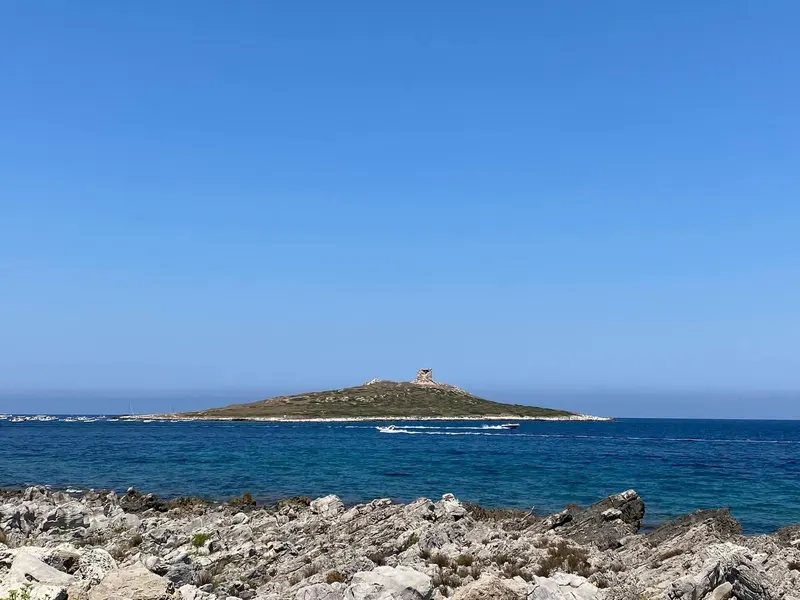
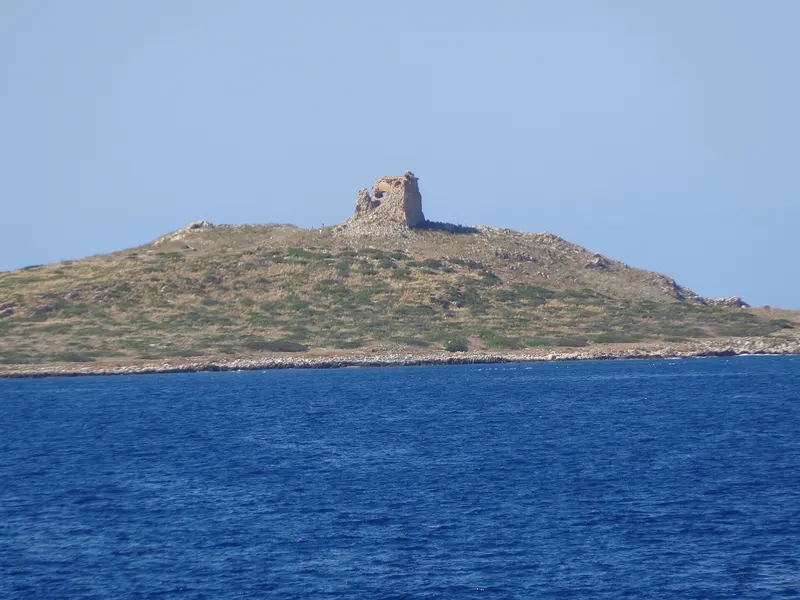
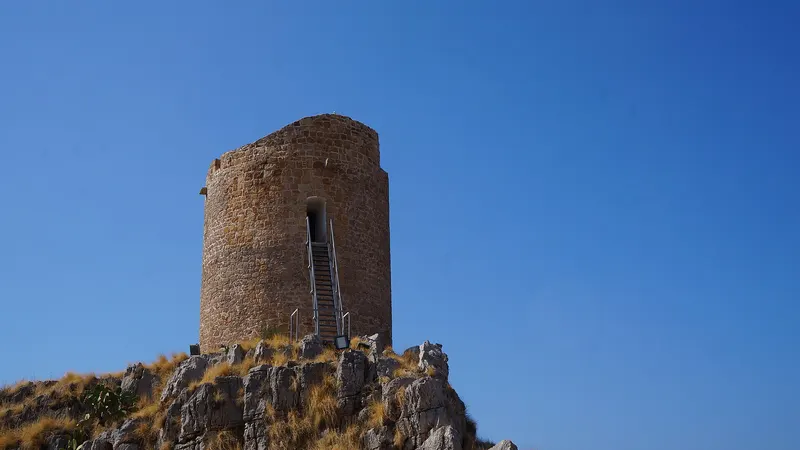
The mainland and offshore towers are real sights with separate histories. Wikipedia describes the round Torre in terra as probably fifteenth-century; Balarm dates Torre di Fuori to the sixteenth century and describes its poor condition. Access to the latter depends on LIPU’s islet arrangements. For a mainland visit, use the things-to-do guide. The Palermo anti-mafia walk linked here addresses a different, modern historical subject; it is not a tour explaining the island’s etymology. Compare its meeting point and scope before booking.
Wikipedia dates the town’s separation from Capaci and its status as an independent municipality to 1854. That administrative date is distinct from the much older references to Fimi. It helps place the modern town in context without using a founding legend as a municipal chronology.
Frequently asked questions
Does the name prove there was a prison?
No. That story is a legend; no prison remains are reported in the cited account.
Which came first, town or islet name?
The town took the name of the islet.
Some links are affiliate links: if you book through them we earn a small commission at no extra cost to you. It funds the research behind this site.